
Blog
Notes from the archive
Notes on finding an earlier fix in a large report archive. HangerSearch retrieves matching pages. It does not draft the answer.
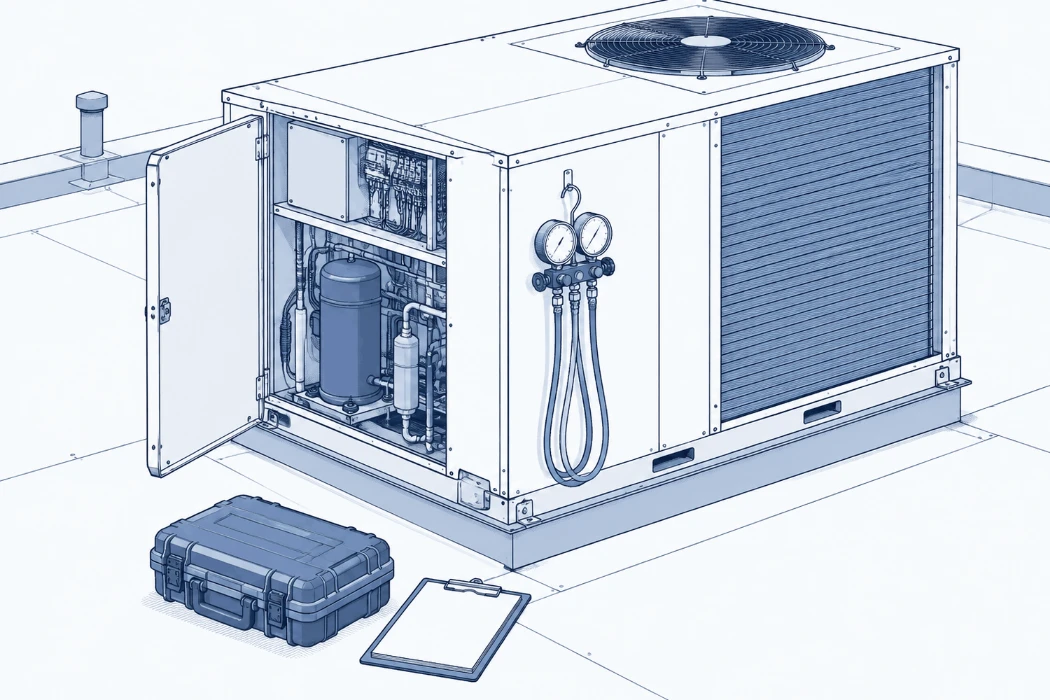 ArticleField service report template built for the next technicianA callback two days after a service visit is only quick if the last report is findable. This post lists the field service report fields the next technician needs (asset, serial, fault code, cause, parts, callback flag), with three illustrative examples and public template sources.
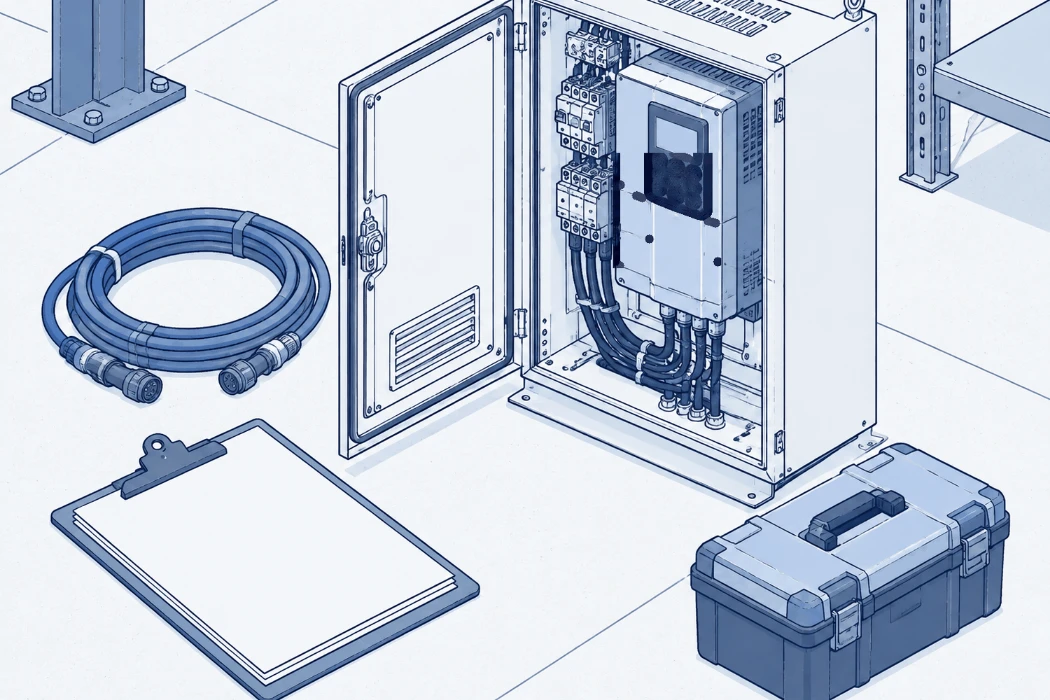 ArticleAMC service report format, with the fields that make the next fix findableAn AMC service report lasts only if the columns stay fixed. This post lists the fields that make an old visit findable later, shows three illustrative Excel examples, and ties weak machine-history recording in a Cebu MSMI study to why AMC logs need a search spine. Template included.
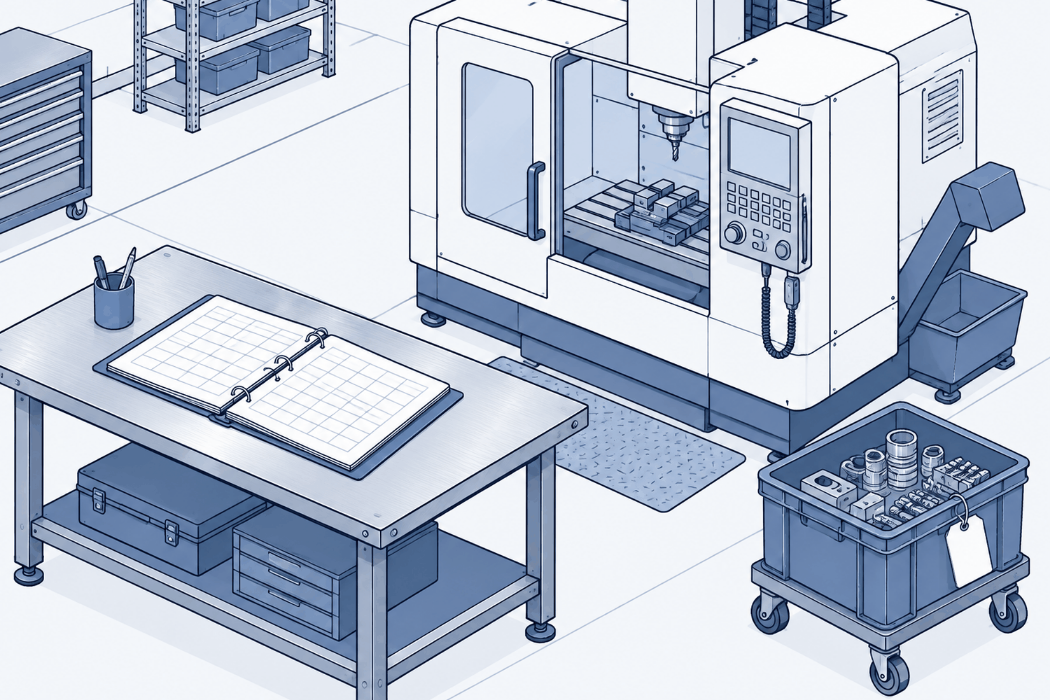 ArticleEquipment repair log template that stays searchableAn equipment repair log lasts only if the columns stay fixed. This post lists the fields that make an old row findable later, shows three illustrative Excel examples, and ties weak machine-history recording in a Cebu MSMI study to why US plants need a searchable repair log. Template included.
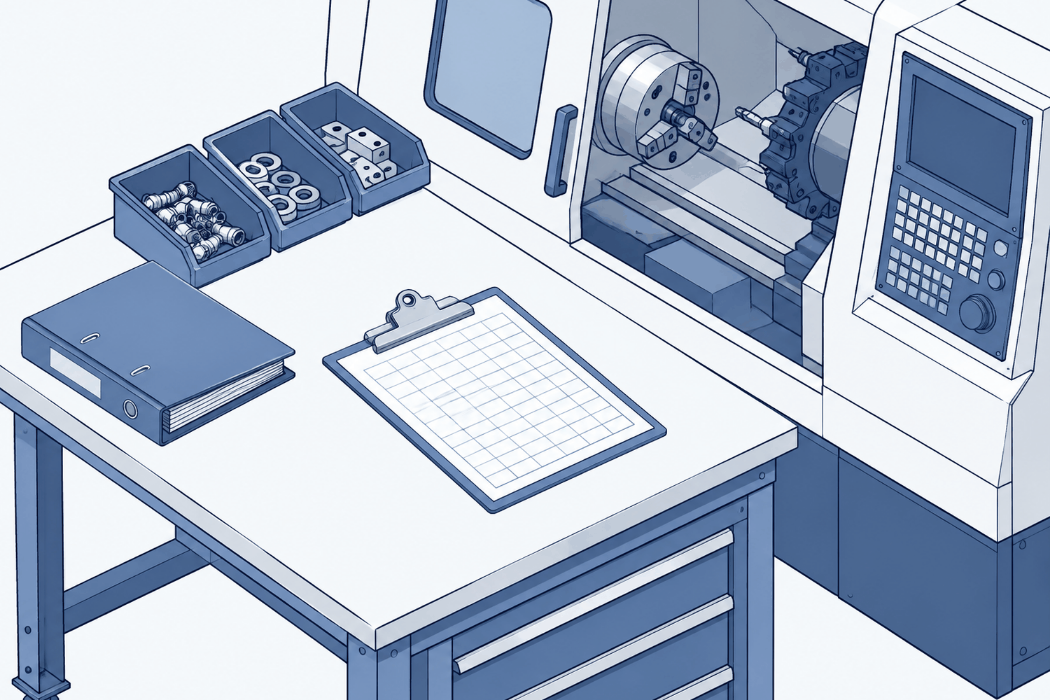 ArticleBreakdown register format (Excel) that you can still search in two yearsA breakdown register lasts only if the columns stay fixed. This post lists the fields that make an old row findable later, shows three illustrative Excel examples, and ties weak machine-history recording in a Cebu MSMI study to why Indian plants need a searchable register.
 ArticleSearching old service reports is a data problem, not a model problemOld service reports are hard to search because of what's in them: abbreviations, typos, mixed languages, scans with no text and uncaptioned photos. A 30-report audit shows which problems your archive has, with a practical fix for each, starting with new reports.
 ArticleAI Overviews and fault codes: when the right answer has no sourceTwo studies checked whether Google AI Overviews are backed by the pages they cite. Most answers were right, but many weren't supported, usually because the source never said it. Six checks before you act on one for a fault code.
 ArticleExact fault-code lookup: why keyword search still beats chat for service manualsTwo recent studies tested chat and search on technical manuals. Exact retrieval found the right fault code more often, faster, and never invented one; chat helped when the symptom used different words. What that means for looking up a fault code on site.
 ArticleYaskawa VFD fault codes: oC, ov, GF and what to checkYaskawa A1000 fault codes explained: what oC, ov, GF, LF, Uv1, PF, oH, oH1, oL1 and oL2 mean, how to tell a fault from an alarm, which U2 and U3 records to copy before you reset, and what the manual says to check first. Every point cites a printed page of Yaskawa's A1000 Technical Manual.
 ArticleSame machine, five descriptions: why repeat faults never add upThe same fault, written five ways, never adds up to one problem. A practical repeat breakdown analysis: group records by asset, match them to the drive or control fault history, sort each into a symptom family, count, then read the repeats in date order.
 ArticleINVT GD20 fault codes: OC1, OV2, ETH1 and what to checkINVT GD20 fault codes explained: what OC1 to OC3, OV1 to OV3, OUt1, OH1, OL1, SPI and ETH1 mean, which P07 fault records to copy before you reset, and what the manual says to check first, from braking settings to the motor cable. Every point cites a printed page of INVT's official manual.
 ArticleInovance MD500 fault codes: Err02, Err05, Err23 and what to checkInovance MD500 fault codes explained: what Err02 to Err07, Err09, Err13 and Err23 mean, how the code tells you when the drive tripped, which F9 fault records to copy before you reset, and what the manual says to check first. Every point cites a printed page of the official Inovance guides.
 ArticleDelta VFD fault codes: ocA, ovd, GFF and what to checkDelta MS300 fault codes explained: what oc, ov, Lv and GFF mean, what the A, d, n and S suffix says about when the drive tripped, which fault records to copy before you reset, and what the manual says to check first. Every point cites a printed page of the official user manual.
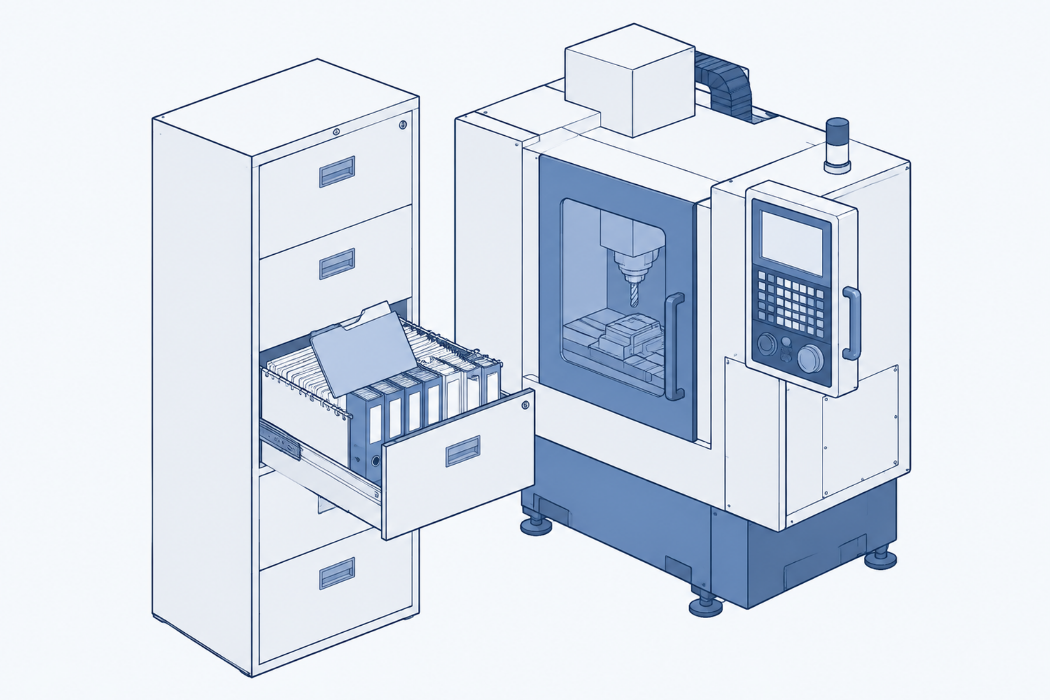 ArticleThe alarm someone already solved three years agoAn unfamiliar alarm, and someone may have fixed it years ago. How to find that report: read the CNC or drive fault history for dates first, search every way the code was written (SV0401, 401, VRDY off), check scanned reports are searchable, ask colleagues the right way, and check the fix applies.
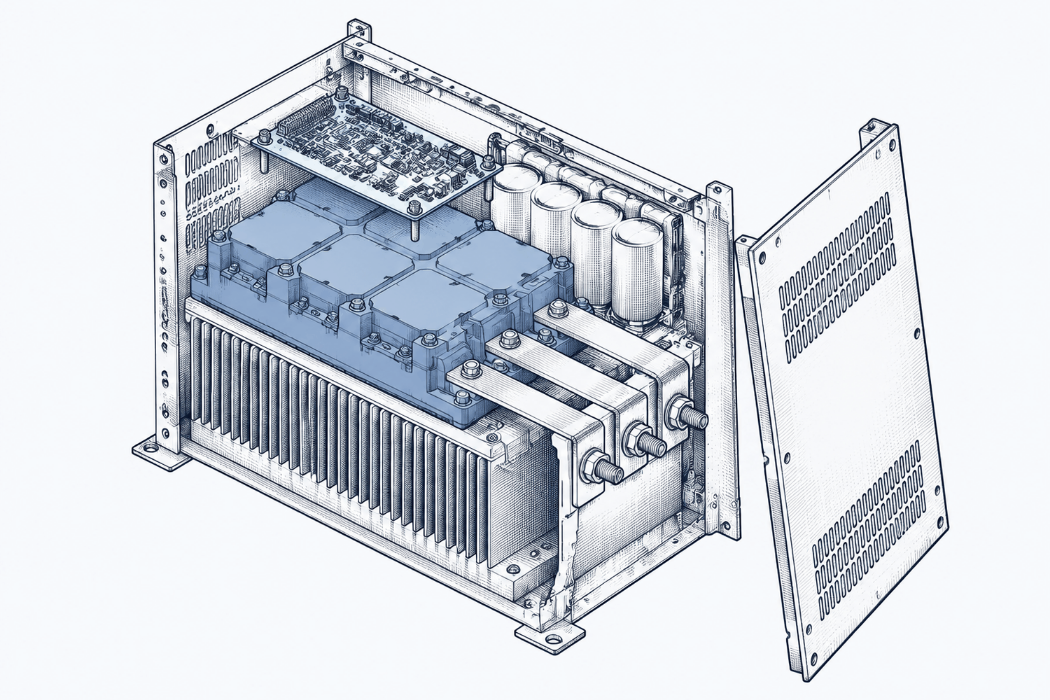 ArticleIGBT failure in a VFD: symptoms and a diode-mode testA failed IGBT shows as a short-circuit, overcurrent or DC bus fuse fault that stays with the motor off, or rough running with unbalanced output. How to diode-test the output stage with the drive dead, what the readings mean, and the gate checks when it passes. Yaskawa, Danfoss, Siemens refs.
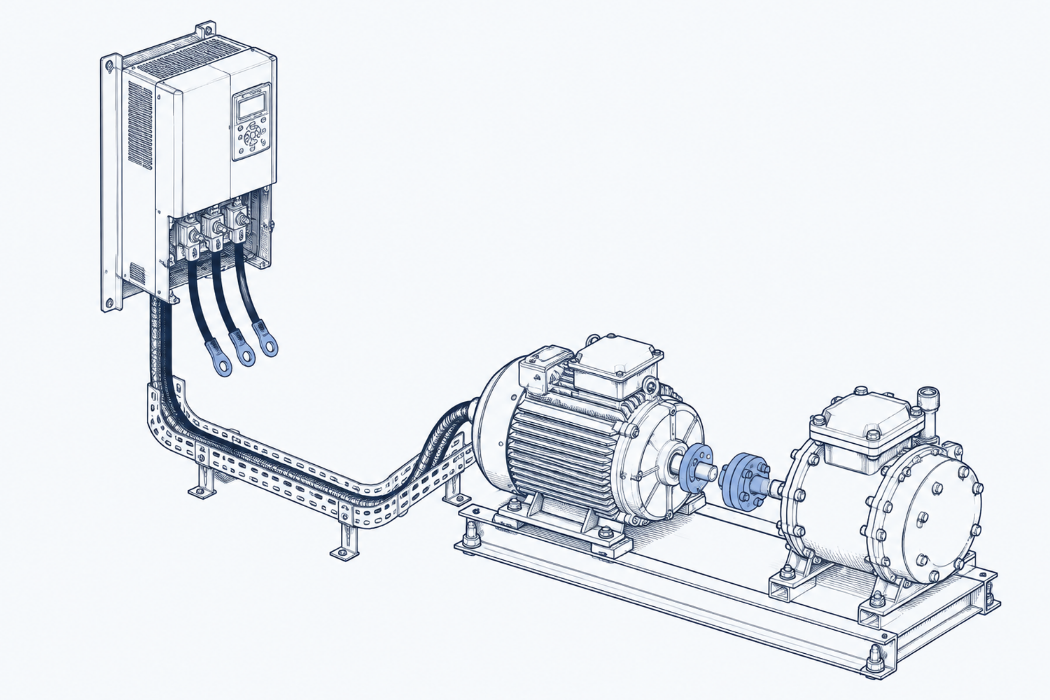 ArticleVFD overcurrent trip: isolating motor, cable, load or driveAn overcurrent trip can come from the drive, the motor cable, the motor or the load. Nine checks that take them off the list one at a time: drive alone, insulation tests with the drive disconnected (never the drive), cable vs motor, settings, uncoupled run. Siemens, ABB and Yaskawa page refs.
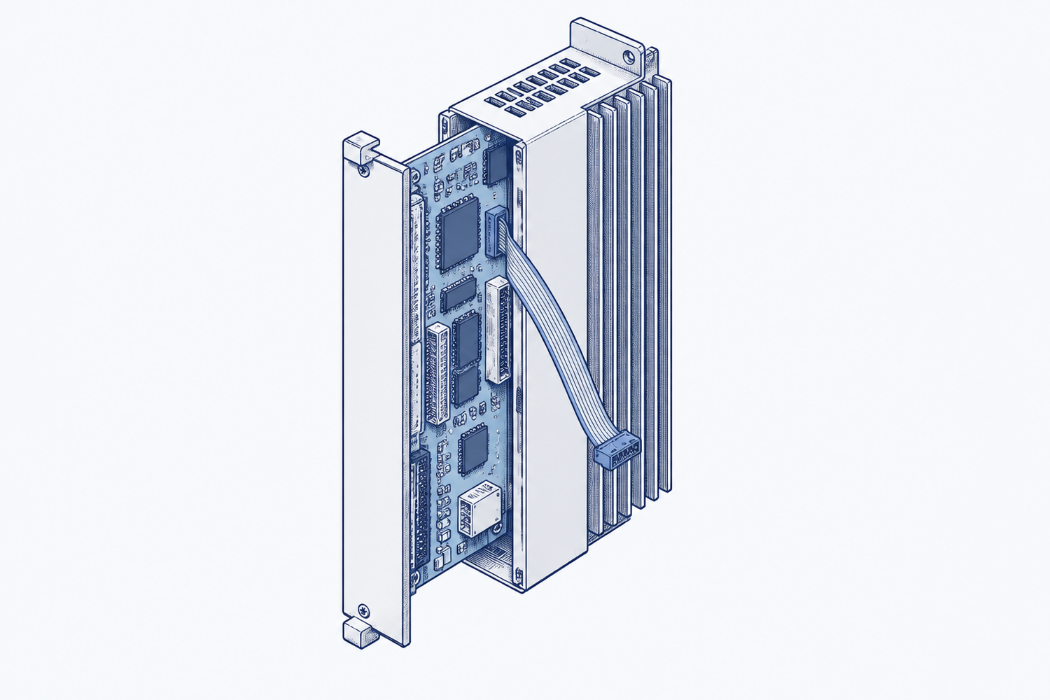 ArticleReading Fanuc Diag 358 when SV0401 won't clearDiagnosis 358 shows which servo amplifier start-up step failed before SV0401: E-stop, MCON, power supply ready, DB relay or amplifier ready. Convert it to binary and find the first 0 from bit 5. Full bit map and FANUC's listed values, with page references and two field fixes.
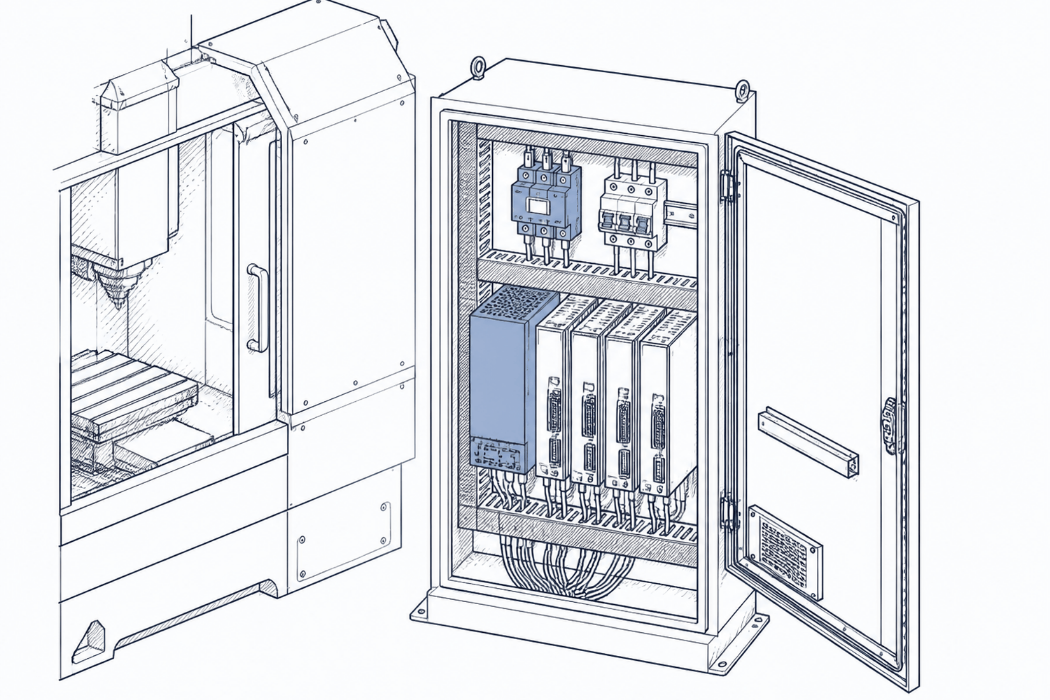 ArticleFanuc SV0401 alarm: all axes vs one axisSV0401 IMPROPER V_READY OFF means the servo amplifier's ready signal didn't come on. Count the axes before you reset: on every axis, FANUC's check list points at the shared power supply, E-stop, MCC and breaker; on one axis, at that axis. Checks in order, with manual page references.
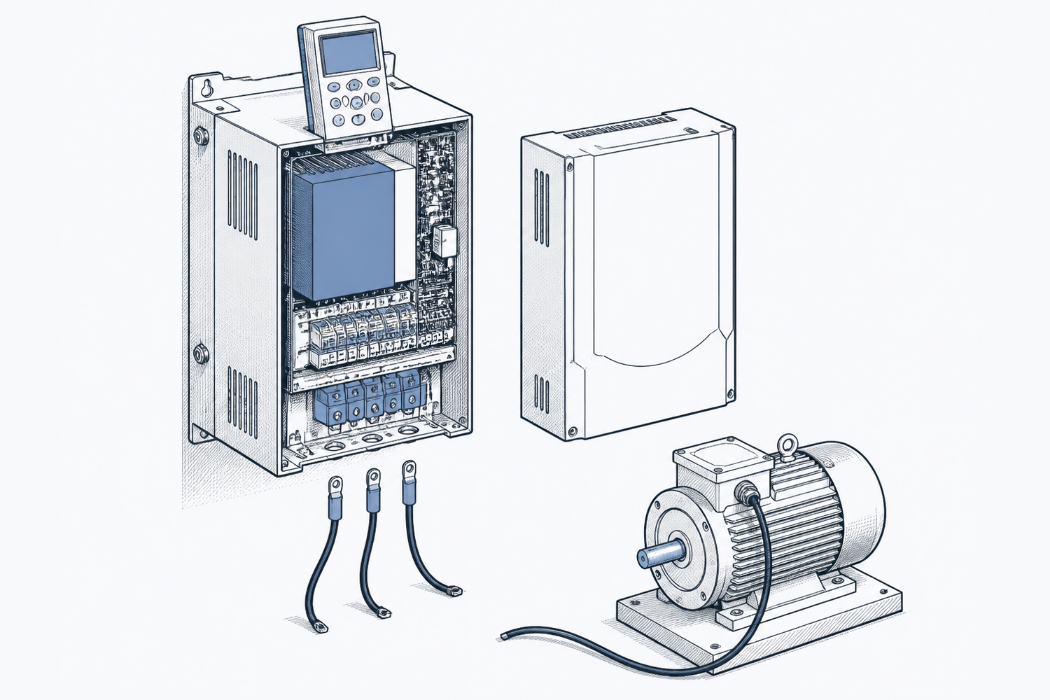 ArticleSiemens MM440 F0001 that won't reset: what to check, by when it tripsF0001 on a Siemens MICROMASTER 440 is the overcurrent trip. Siemens' Chinese support page splits the checks by when it trips: at power-up, on start or during run. Here are those checks in order, with Parameter List page references and how to read the fault memory before you clear it.
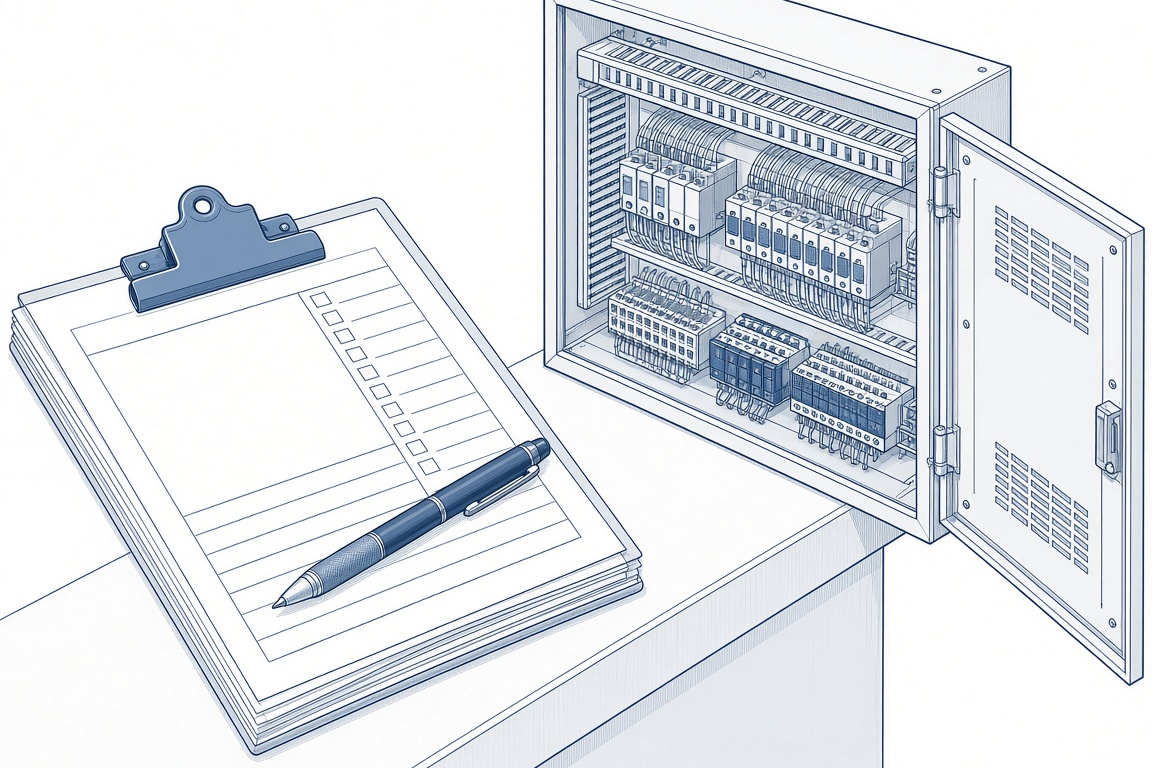 Article"It's Running Now" Is Not a Fix: Leave a Trail the Next Tech Can Find"It's running now" isn't a fix. The six things to write at close-out so the next technician can find what worked when the same machine goes down.
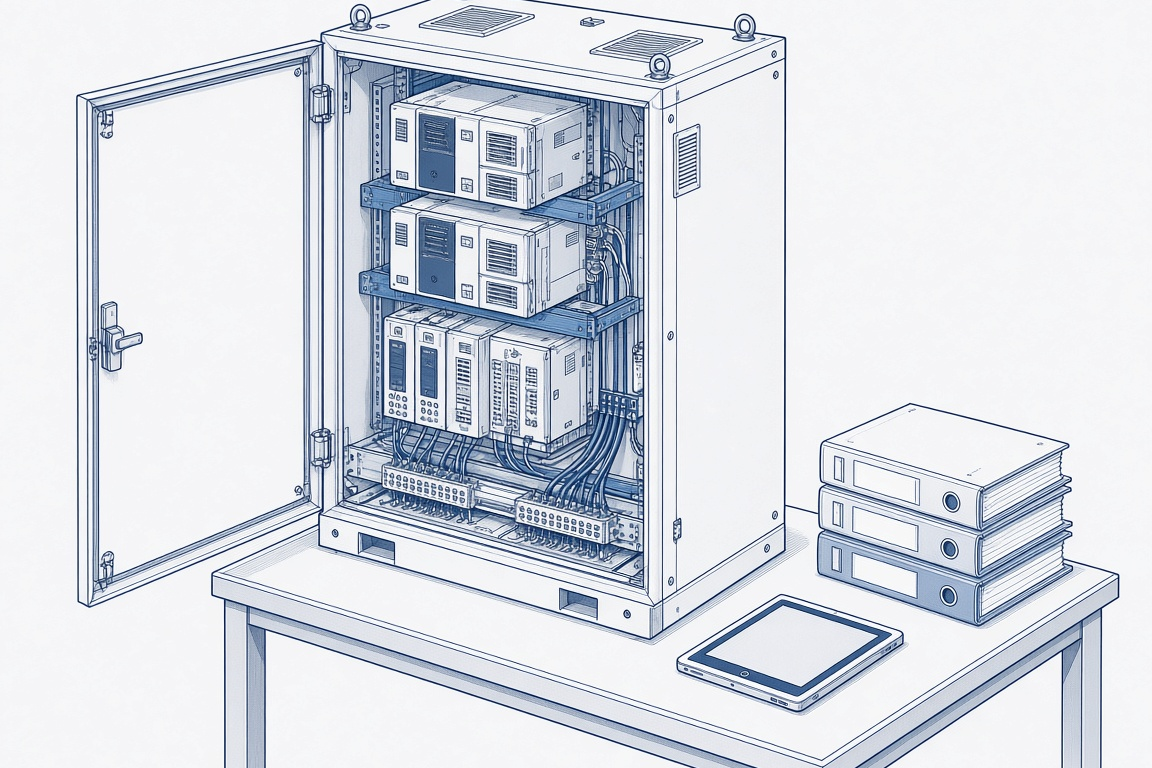 ArticleRepeat Machine Fault? How to Find the Last Fix That WorkedA repeat machine fault usually has a fix already on file. How to search past service reports by fault code, model and trip conditions to find what worked.